
It is often the case that financial institutions and donors focus on the cheapest solutions during project preparation. However, both the beneficiary and the donor organisation share the same interest: to implement investments that are sustainable and operational in the long term.
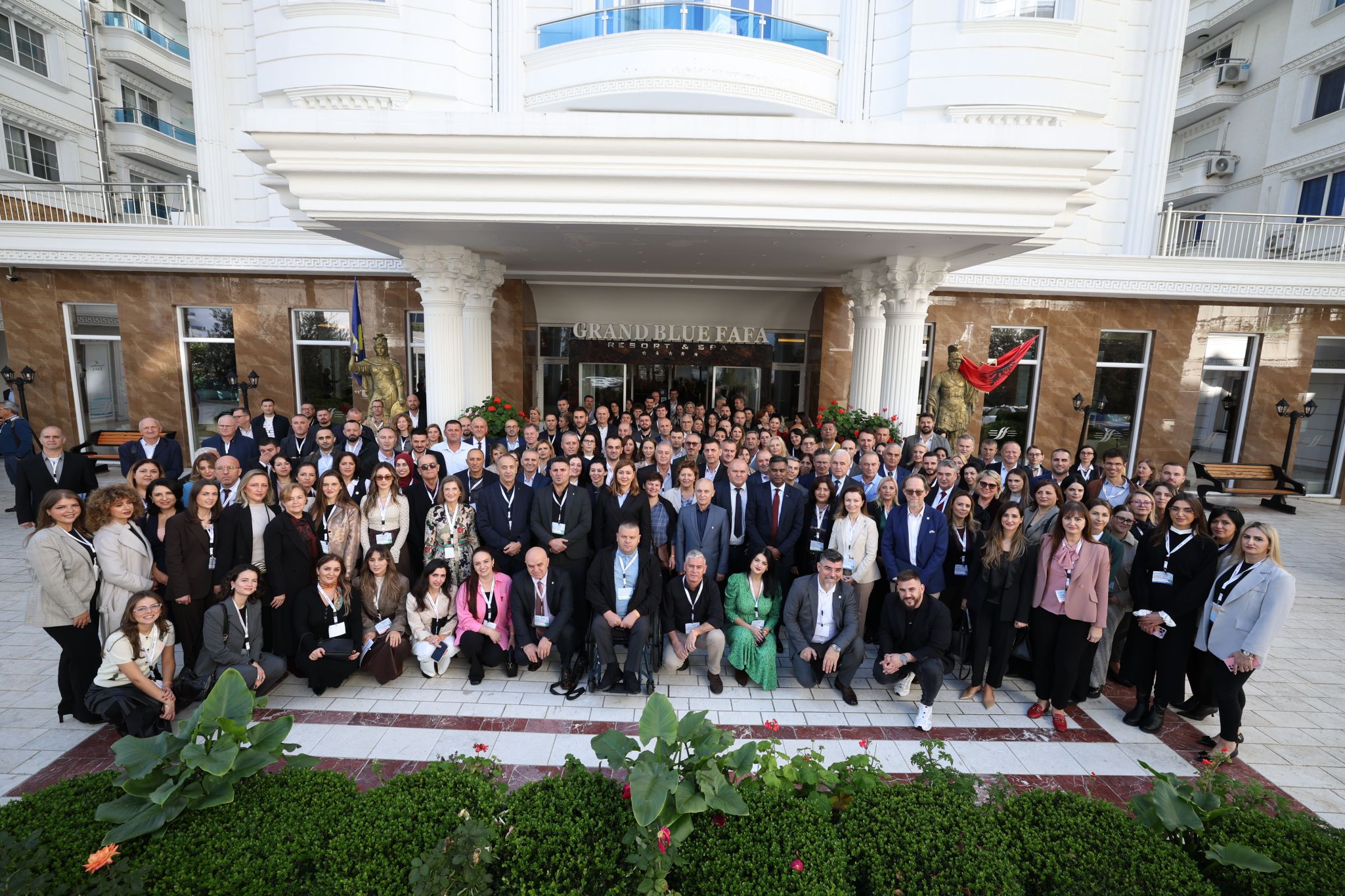
At the 13th Balkan Water Conference, organised by the Albanian Water Supply and Sewerage Association (SHUKALB) under the title “Sustainable Water Management in a Changing Climate”, Dr Károly Kovács, PhD, President of Hungarian Water Association and founder of Pureco, presented a tool that can help achieve this dual objective.
In his presentation, he introduced the application of Dynamic Cost Comparison (DCC) and Life-Cycle Costing (LCC) methodologies in procurement, based on the EU cost-benefit analysis framework.
He emphasised the importance of comparing infrastructure development with the regulatory principles of the European Union. He pointed out that thorough preparation, planning, and life-cycle-based alternative analysis are essential for every project to avoid long-term efficiency problems caused by short-term savings.
Dr Kovács highlighted the need to recognise the difference between the “cheapest” solution and the one with the “lowest total cost,” as investment efficiency, operational sustainability, and affordability require well-founded technical, financial, and economic preparation.
Through examples and case studies, he illustrated that neglecting life-cycle considerations during planning can lead to unsustainable operating costs and deteriorating maintenance, ultimately resulting in infrastructure degradation.
In contrast, DCC- and LCC-based approaches support the selection of solutions that are not only cost-effective during implementation but also resilient and economically viable in the long term.
The presentation was well received by regional experts. Following the session, both DCC and LCC guidelines and training materials developed for project preparation were shared with participants.
The event attracted more than 500 water professionals, decision-makers, and industry experts to Durres from across the Balkans and Europe. Dr Kovács invited the leaders of participating professional organisations to attend Planet Budapest 2026 in February, as well as the Future of Water Conference organised by the Hungarian Water Partnership within the Planet framework. Furthermore, in line with strengthening the next generation and supporting young water professionals, he announced HWP’s offer to finance the participation of two professionals under the age of 35 from each organization at the Budapest event.