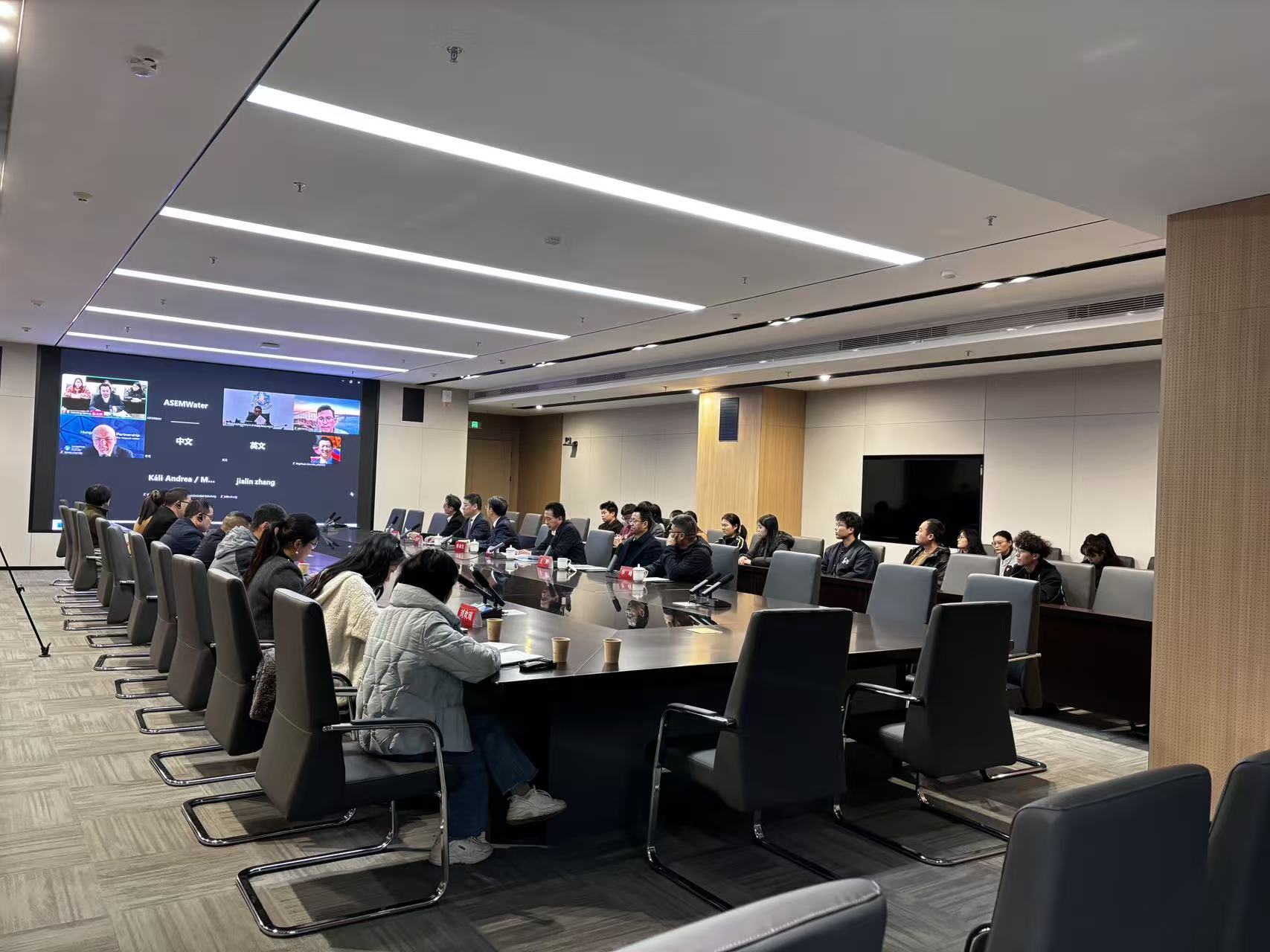

The 2025 International Exchange Meeting on “Water Resources Safety and Sustainable Management”, held under the framework of South-South and Triangular Cooperation, convened experts from Asia, Europe, and Africa to address some of the world’s most urgent water-related challenges.
Among the distinguished speakers, Dr Károly Kovács, President of the Hungarian Water Partnership and Vice-Chairman of the ASEM Water Academic and Development Committee, emerged as a central figure whose contributions set the tone and direction of the event.

Co-organised by the United Nations Office for South-South Cooperation (UNOSSC), ASEMWater, and Hunan Agricultural University, the meeting brought together professionals and policymakers to exchange insights on applying modern technologies to achieve safer, more sustainable water management.
Delivering one of the meeting’s key opening speeches, Dr Kovács warmly welcomed participants and underscored the global responsibility shared by all regions in securing water for future generations.
He emphasised that discussions on sustainability must move beyond water quantity and give equal - if not greater - attention to water quality, including the protection of surface water, groundwater, and water intended for drinking, agriculture, and municipal use. He highlighted the direct connection between water quality and food safety, public health, and resilient development, reminding attendees that safeguarding water resources is inseparable from sustainable societal progress.
Dr Kovács also acknowledged the valuable perspectives contributed by participants from Southeast Asia and Africa, noting that their diverse experiences enrich global understanding and cooperation. He expressed confidence that such exchanges would foster best practices and deepen collaboration across continents.
A thought-provoking presentation: “Are we rich enough to buy cheap?”
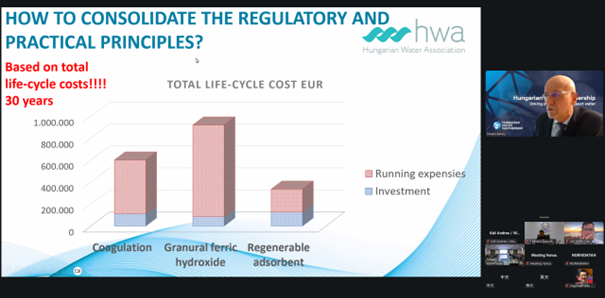
Beyond his opening remarks, Dr Kovács delivered a substantive technical presentation titled: “Regulatory and Practical Principles of Water Infrastructure Development: Are We Rich Enough to Buy Cheap?”

Dr Kovács also highlighted key principles from European Union water regulations, stressing that sustainable infrastructure requires more than meeting upfront cost targets. He emphasised that EU-supported projects must ensure long-term technical and financial viability, echoing his central message: “We are not rich enough to buy cheap.”
He briefly introduced two essential planning tools - Dynamic Cost Comparison (DCC) and Life-Cycle Costing (LCC) - showing how they help identify the most cost-effective solutions over the lifetime of a project. Using examples such as arsenic-removal technologies, Dr. Kovács illustrated that focusing only on initial investment can lead to higher operational and maintenance costs, while lifecycle-based planning ensures affordable, resilient water services for communities.

His message was clear: sustainable water infrastructure can only be achieved by choosing solutions based on full life-cycle costs rather than the cheapest upfront option.
The presentation resonated strongly with participants, many of whom face the challenge of balancing limited budgets with rising demands for safe, reliable water services.
The meeting also featured contributions from experts across China, Thailand, Cambodia, and international institutions, covering topics including water ecosystem restoration, flash-flood early warning systems, AI-driven meteorological services, and modern technologies applied in Hunan Province.
Yet throughout the program, the themes articulated by Dr Kovács, quality, responsibility, and long-term sustainability, remained central to the dialogue.