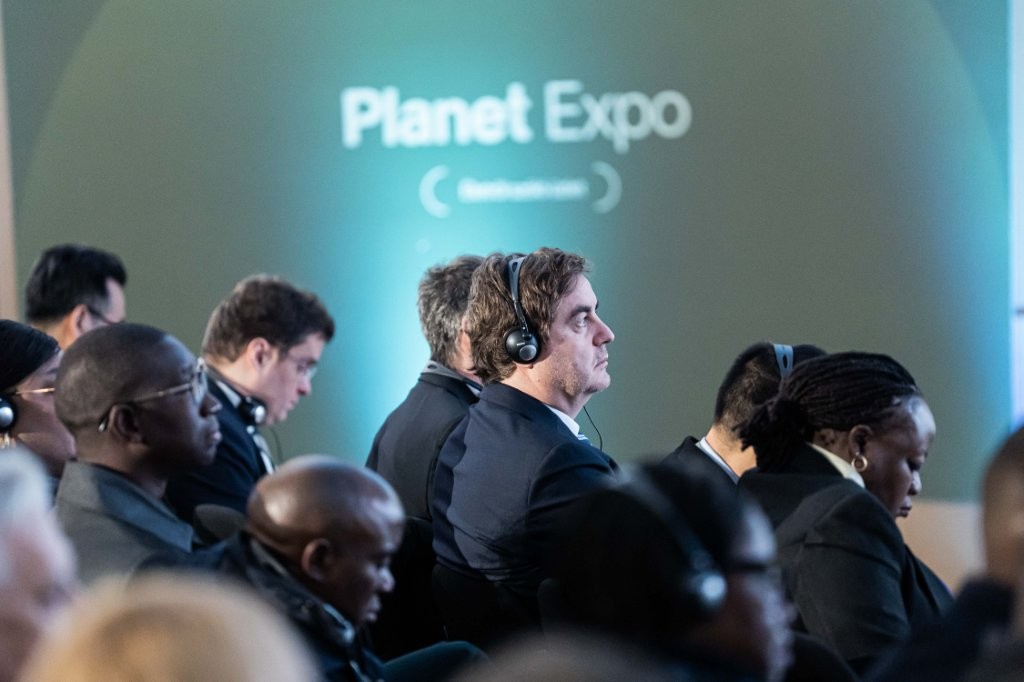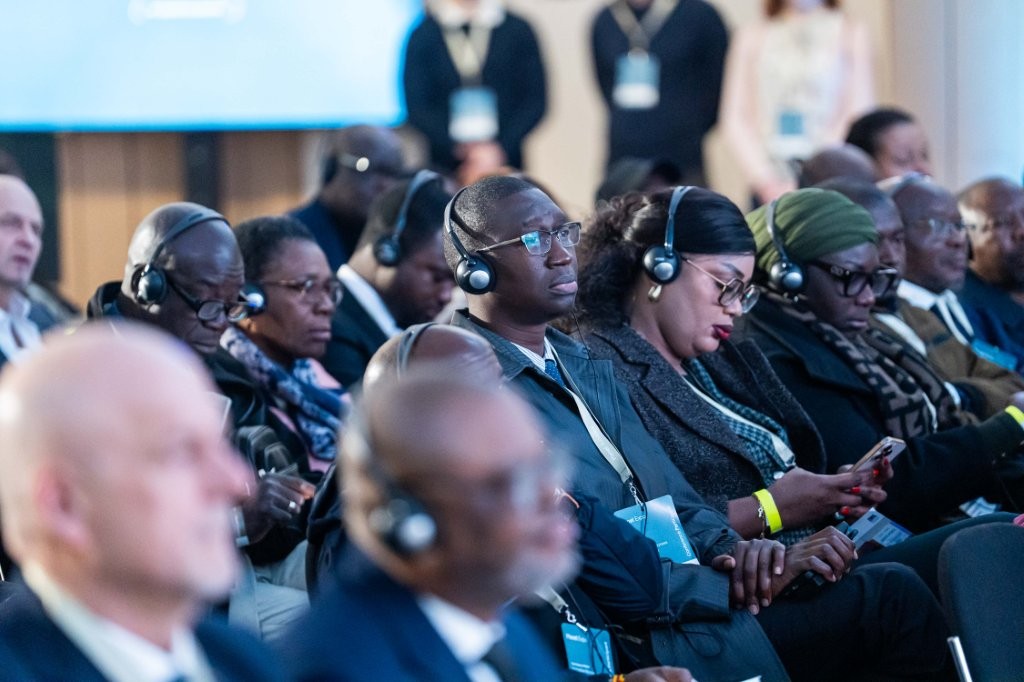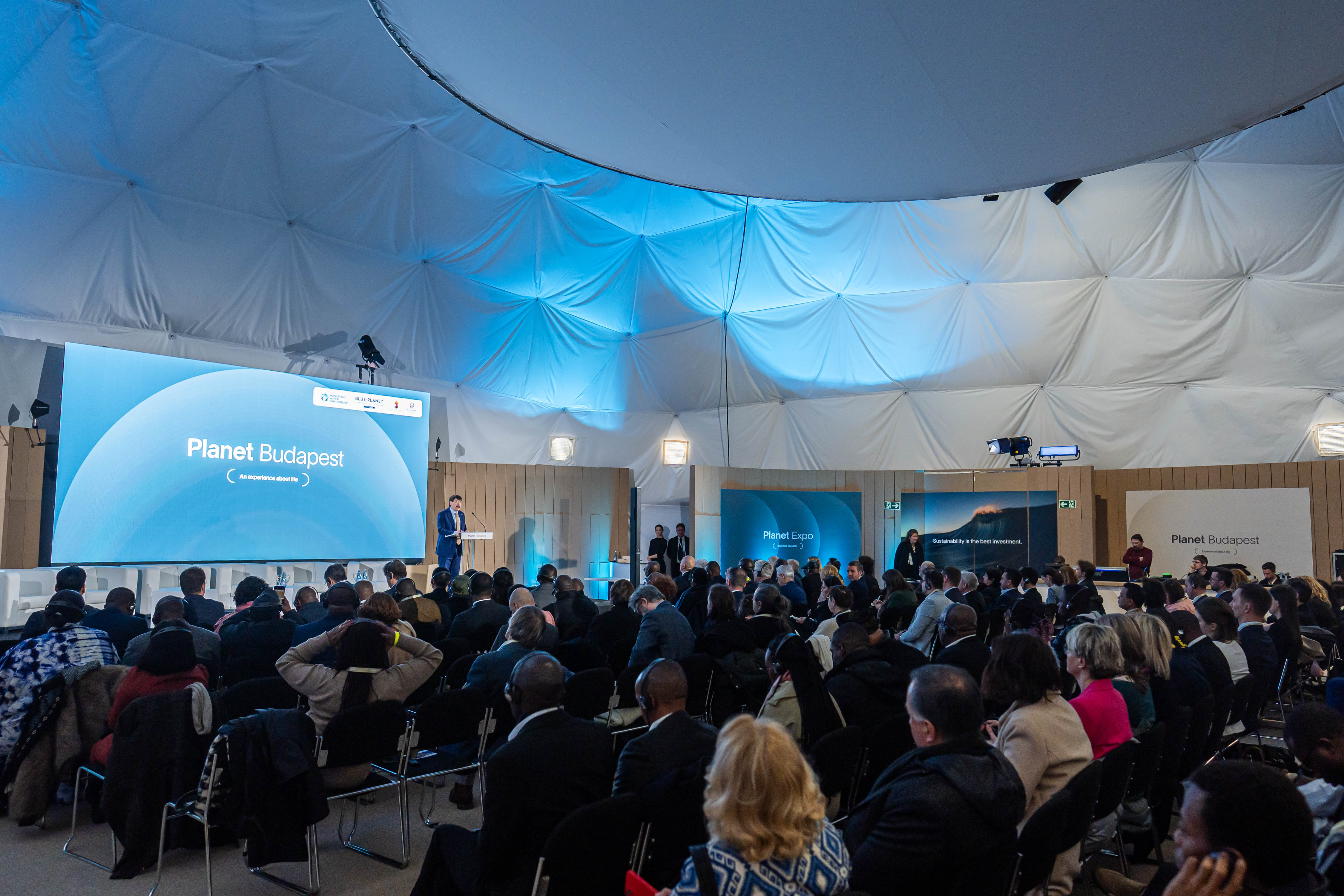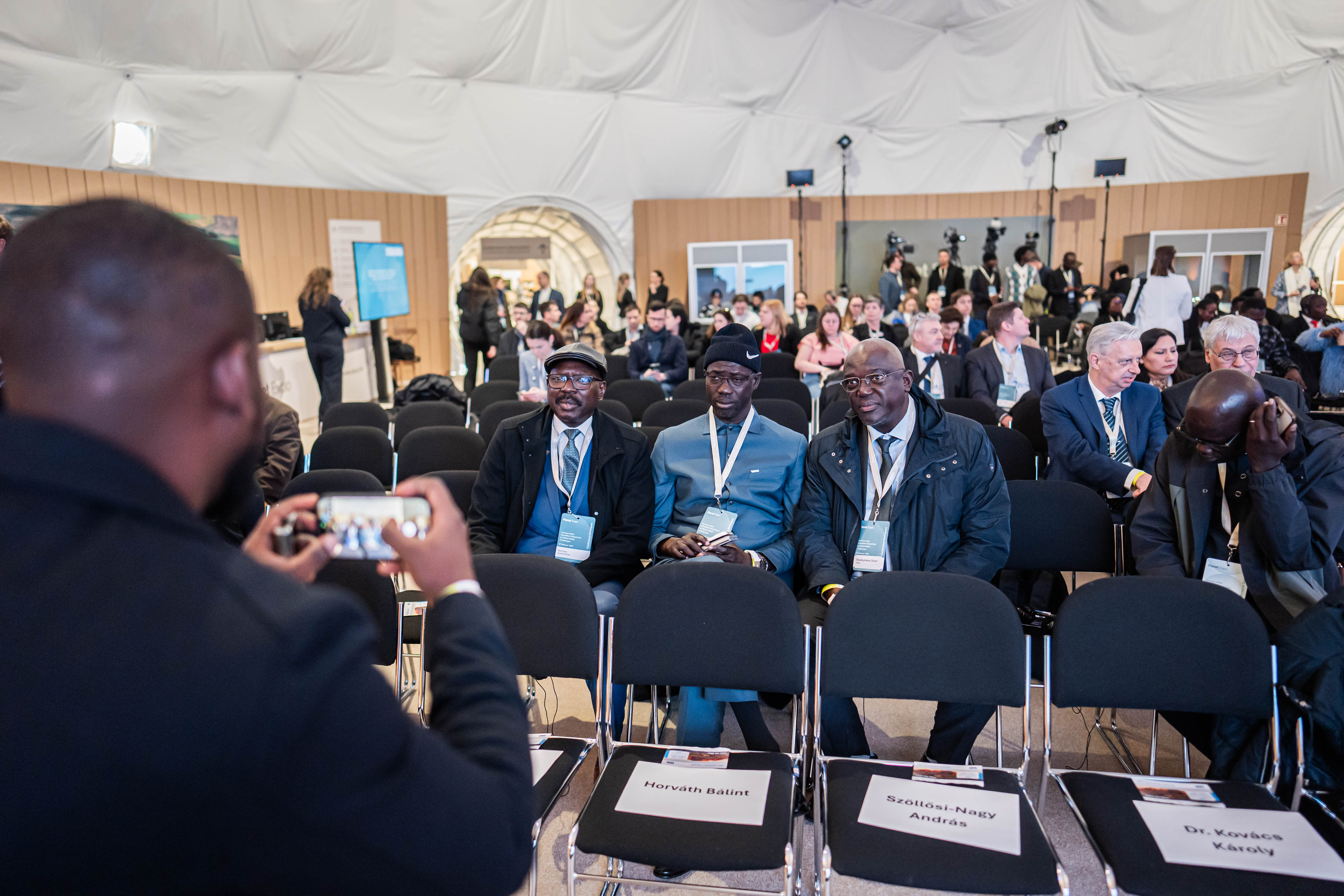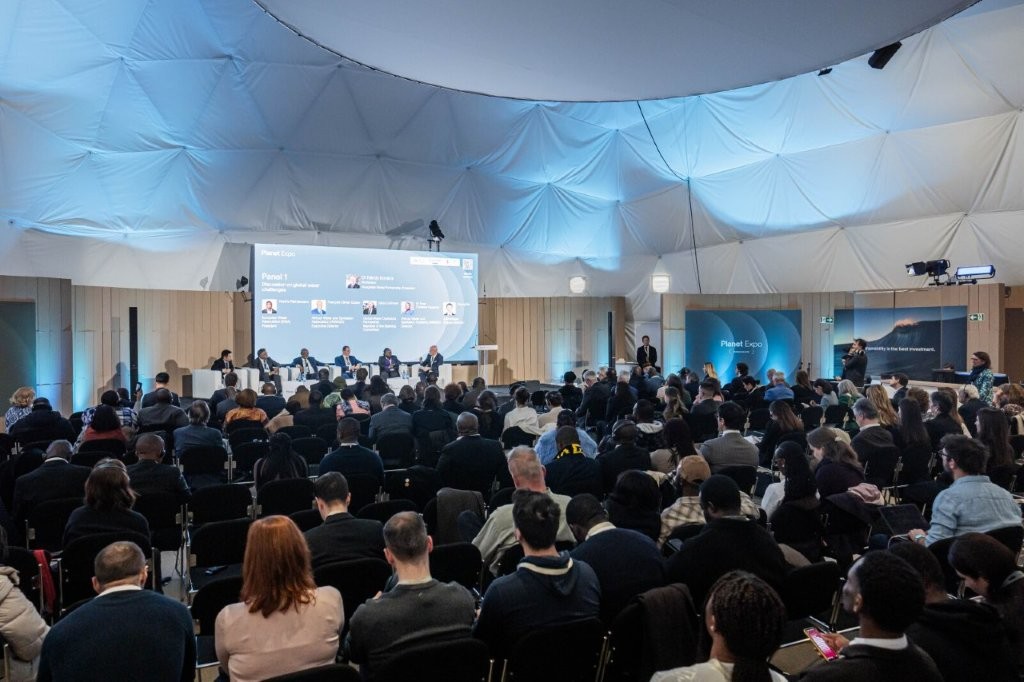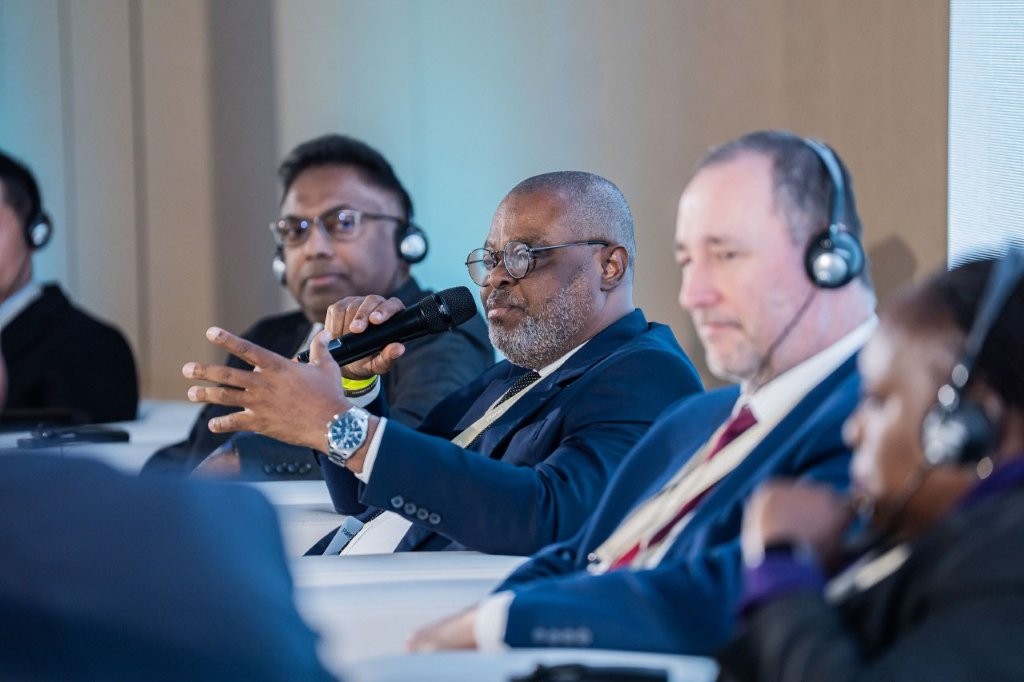

The international conference titled “The Future of Water,” organised by the Hungarian Water Partnership within the framework of Planet Budapest 2026, brought leading water-sector stakeholders from Africa, Europe, and Asia to Hungary.

Left to right: Professor András Szöllősi‑Nagy, Chairholder of the UNESCO Chair on Water Conflict Management at Ludovika University of Public Service; Dr Károly Kovács, President of HWP; François Olivier Gosso, Executive Director, AfWASA.
The vibrant professional dialogue, attended by high-level decision-makers, industry innovators, representatives of development institutions, water associations from Hungary, Africa (AfWASA), Europe (EWA), Asia (ASEM Water, KWWA),, the Danube region (IAWD), and national organizations (Shukalb, Shukos) , as well as global water networks (IWA, GWOPA), financing institutions (World Bank, EIB, EXIM Bank), and other distinguished actors, including a 50‑member African expert delegation, aimed to present concrete responses to today’s critical water‑related challenges.
Under the patronage of former President János Áder, the compact yet highly comprehensive program first highlighted the Hungarian water sector, its capabilities, and its technological solutions. In his opening remarks, the former President emphasised that the technological solutions developed by HWP member companies—most notably Pureco Ltd.—and implemented in cooperation with international partners represent the only realistically affordable and well‑functioning approach to ensuring safe drinking water supply and wastewater treatment in the developing world.

János Áder, former President of Hungary, President of the Blue Planet Climate Protection Foundation
In his plenary presentation, Bálint Horváth, Secretary General of the Hungarian Water Partnership (HWP), showcased Hungarian water-industry export achievements and projects that, over the past decade, have contributed to healthier and more sustainable everyday life for millions of people across Africa and Asia.
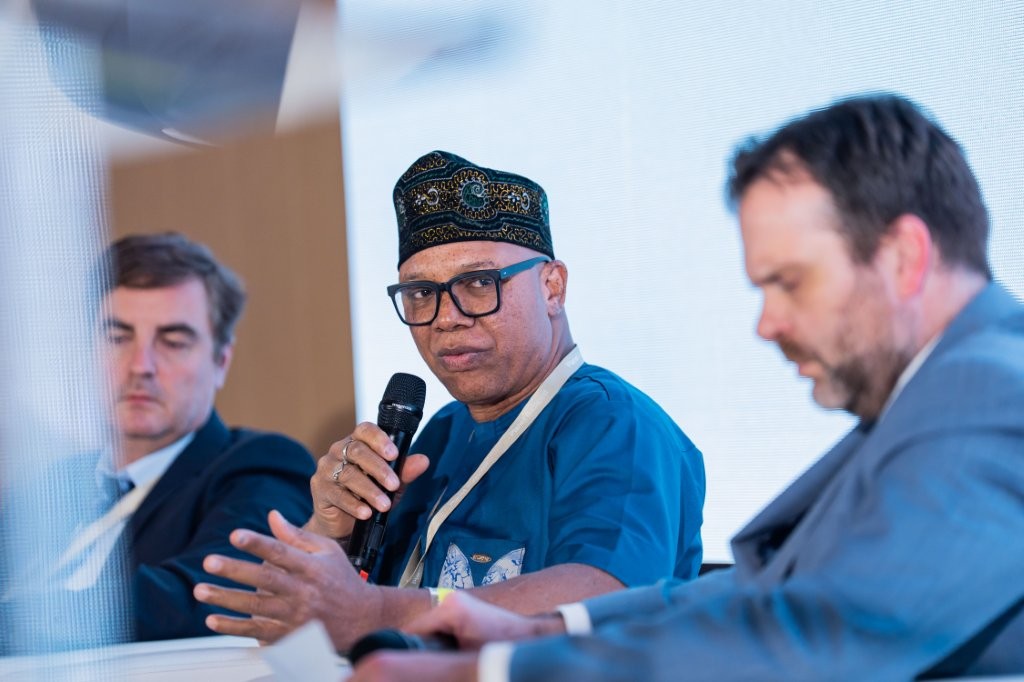
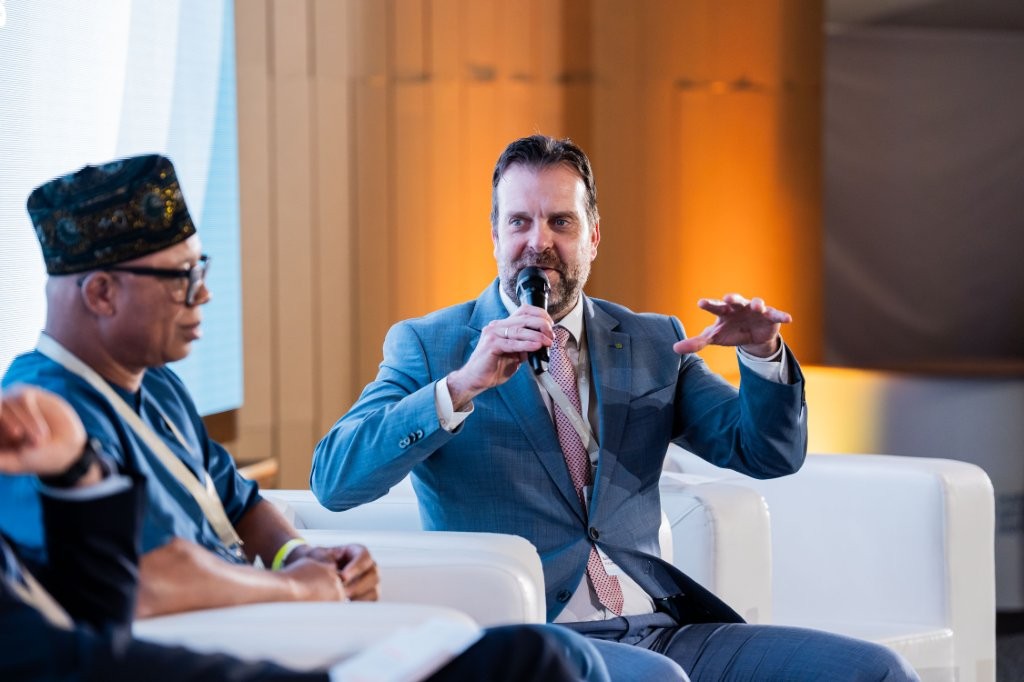
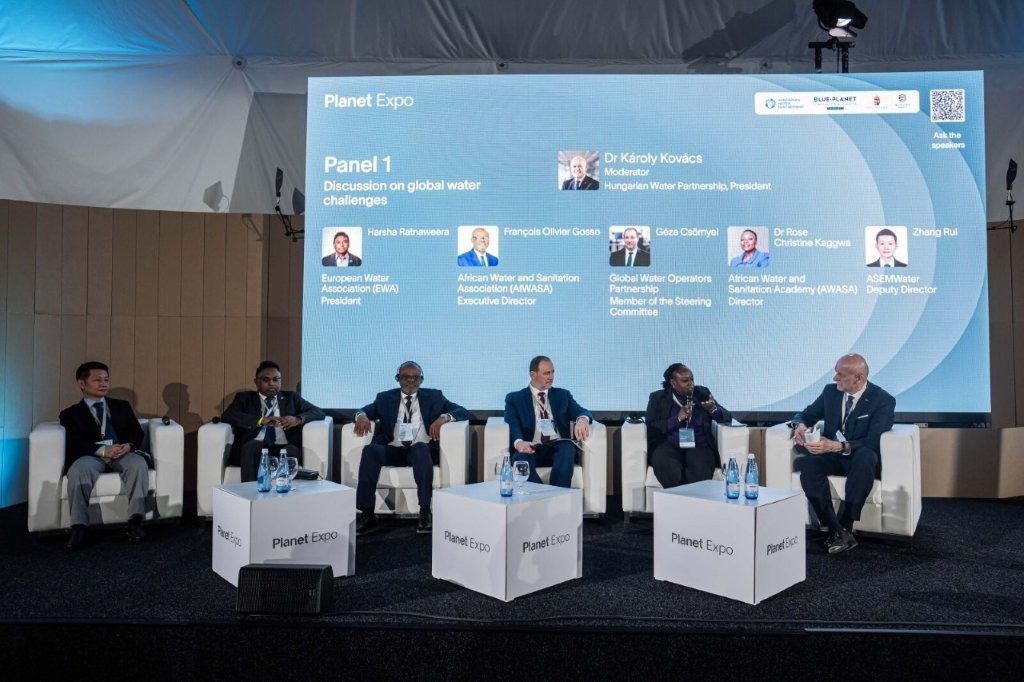
Following the plenaries, participants explored global water challenges through presentations by renowned experts and interactive panel discussions.

The afternoon session focused on financing issues and the future of water-sector investments, with particular emphasis on supporting SDG 6, traditional and emerging financial models, and post‑2030 development directions.
In the financing panel moderated by Managing Director Bálint Horváth, representatives of the World Bank, the European Investment Bank, and the EXIM Bank outlined how their institutions ensure the implementation of projects under appropriate environmental and social conditions, and what internal processes guarantee oversight, compliance, and proper execution throughout the project lifecycle. The discussion also reviewed financing experiences—especially African water-sector investments—with the participation of the CEO of Ghana Water, touching upon project‑preparation requirements, private capital involvement models, and the financing structure of a Ghanaian water‑treatment project.

Left to right: Ádám Csécsei, Deputy Director, ESG & Sustainable Finance Centre, EXIM Bank; Stefania Ciraolo, Head of Office, European Investment Bank, Hungary; Raimund Mair, Senior Water Resources Management Specialist, World Bank; Adam Mutawakilu, CEO, Ghana Water Ltd.
The highlight of the day was the ceremonial signing of new partnership and cooperation agreements between ASEM Water and the African Water and Sanitation Association (ASEM Water-AfWASA), as well as between the Hungarian Water Partnership and the Pan-African Association of Sanitation Actors (HWP-PASA), along with the awarding of the HWP Honorary Ambassador titles—further strengthening international collaboration across continents.
Shared responsibility, shared solutions
The conference clearly demonstrated that water security is a global issue that can only be addressed through cross‑border cooperation. Participants agreed on the need to develop innovative and sustainable solutions that ensure long‑term safety for future generations.
The future of water is our shared future—and we are shaping it together.
During the discussions, participants concluded that the best solutions—both from a business and environmental perspective—can only be achieved through strong cooperation and joint efforts. They also emphasised that while global water challenges are international in scale, their solutions must be implemented locally to avoid worldwide consequences. In addition to technical solutions, capacity‑building and the engagement of local communities were highlighted as crucial elements.
At the end of the event, participants unanimously praised the conference’s professional quality and success, highlighting the pivotal role of the Hungarian Water Partnership in developing international water-sector cooperation. They emphasised that without the organisation’s active facilitation and networking efforts, such a broad, multi‑continental collaboration could not have been achieved—one that will generate long-term value for the global water community. We are proud to have contributed to this outstanding event.