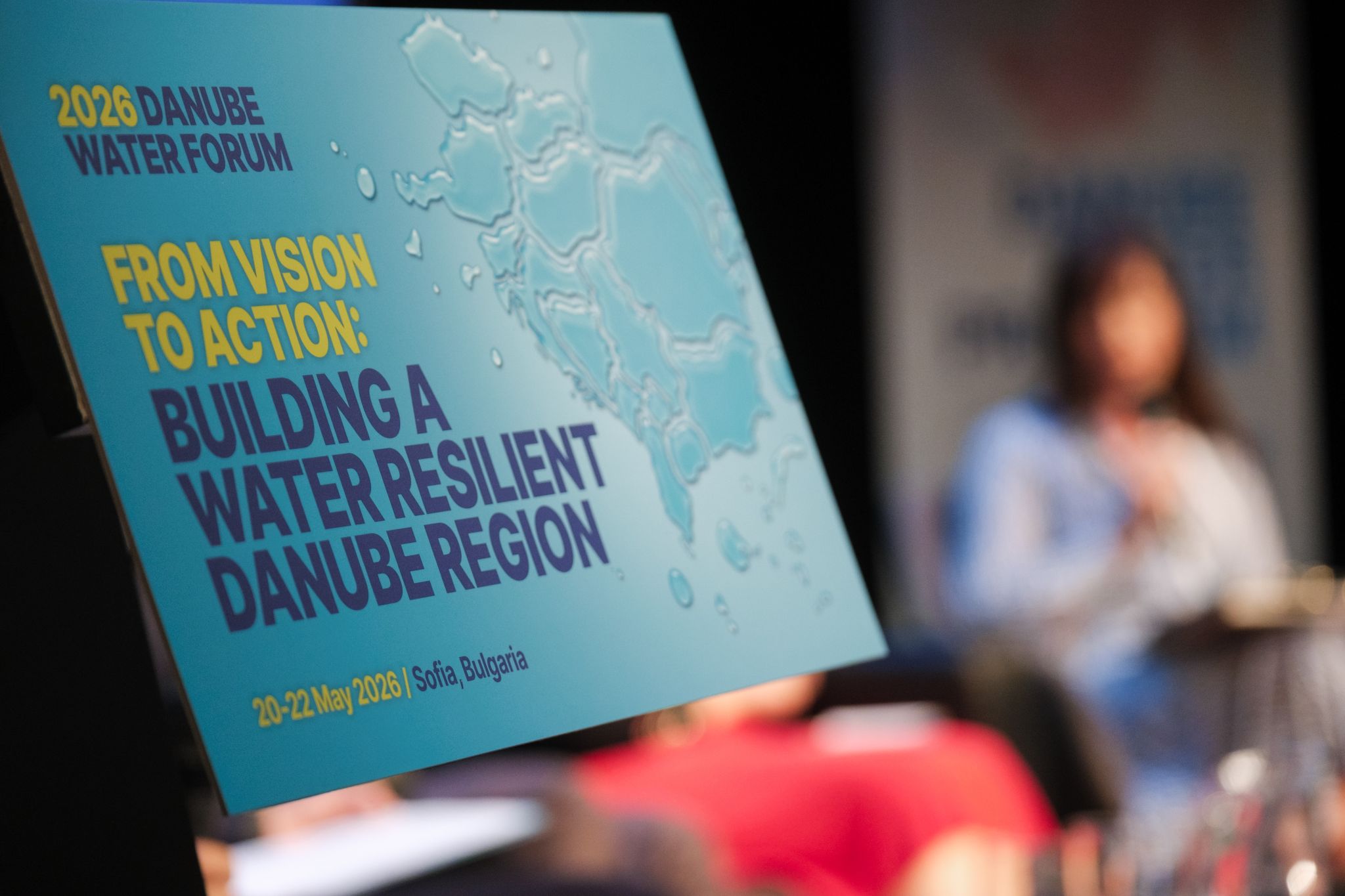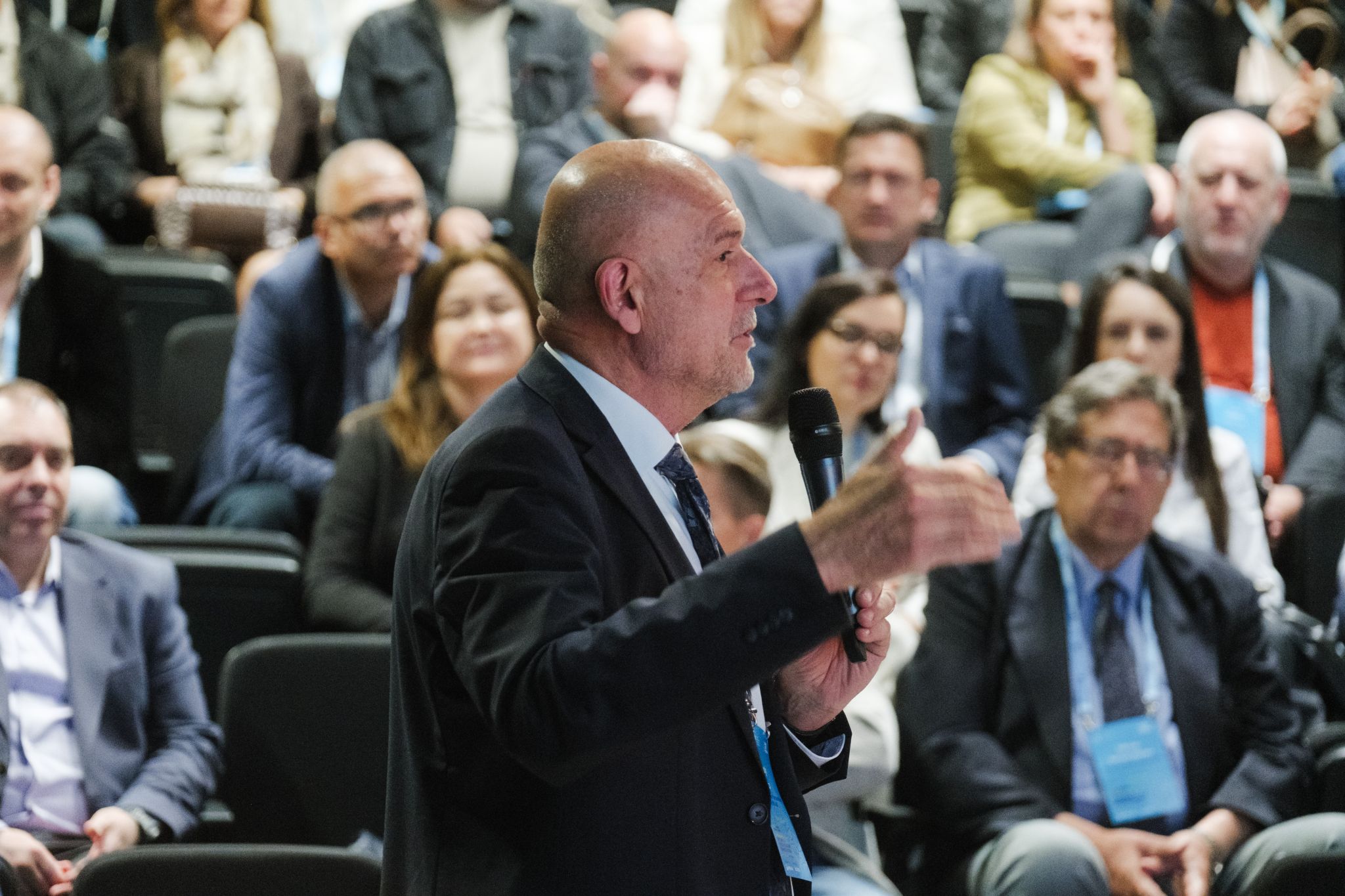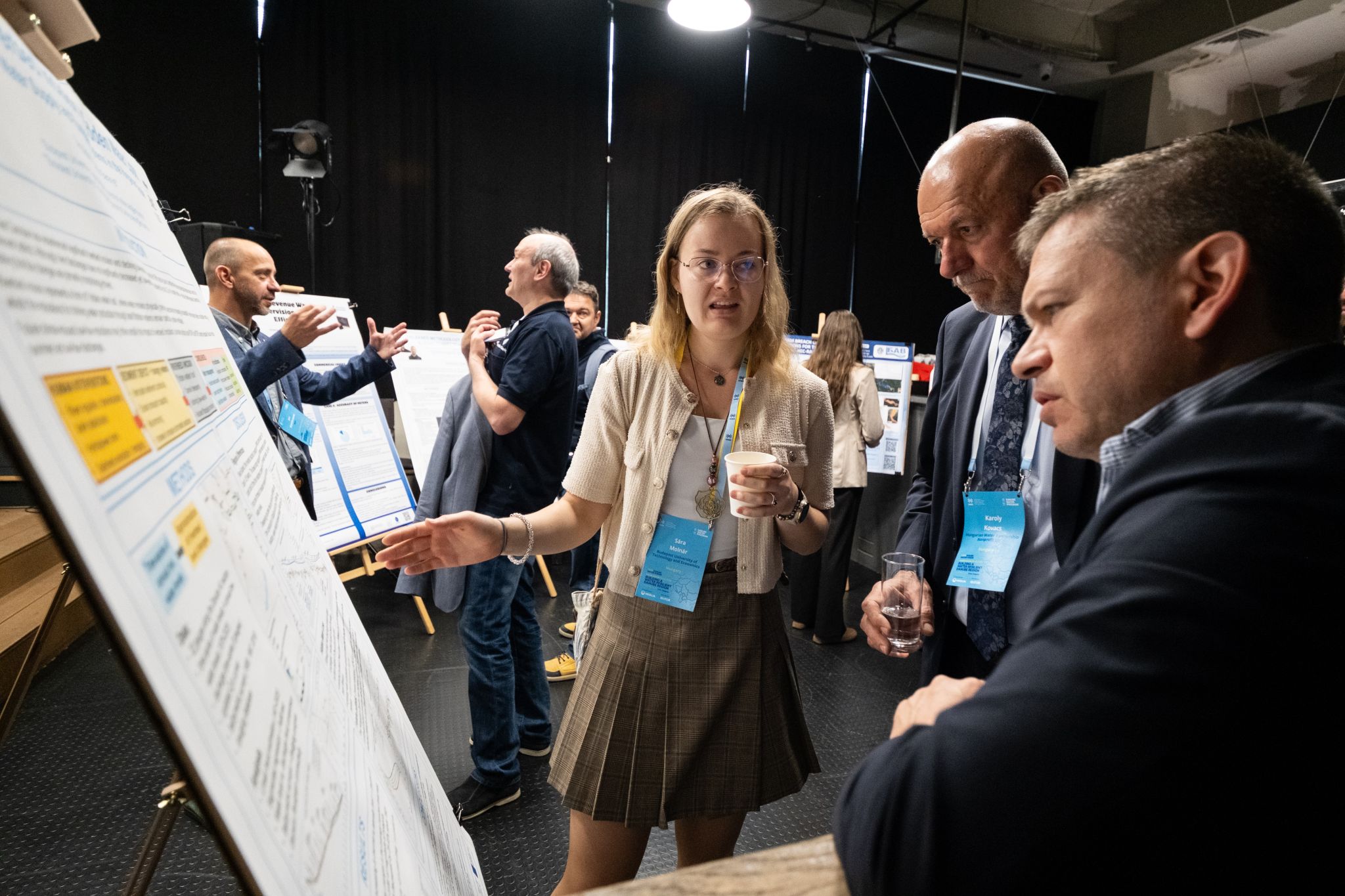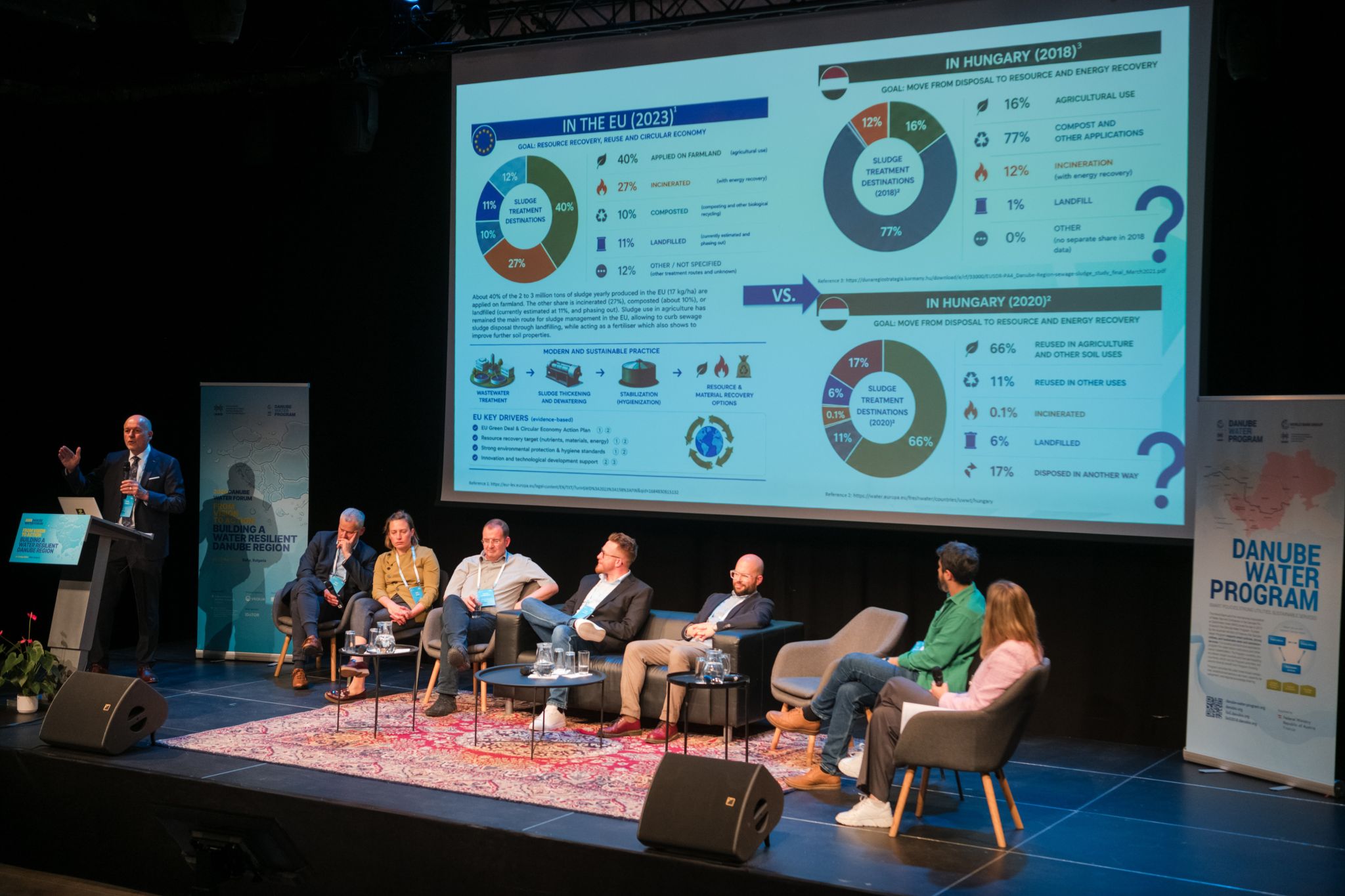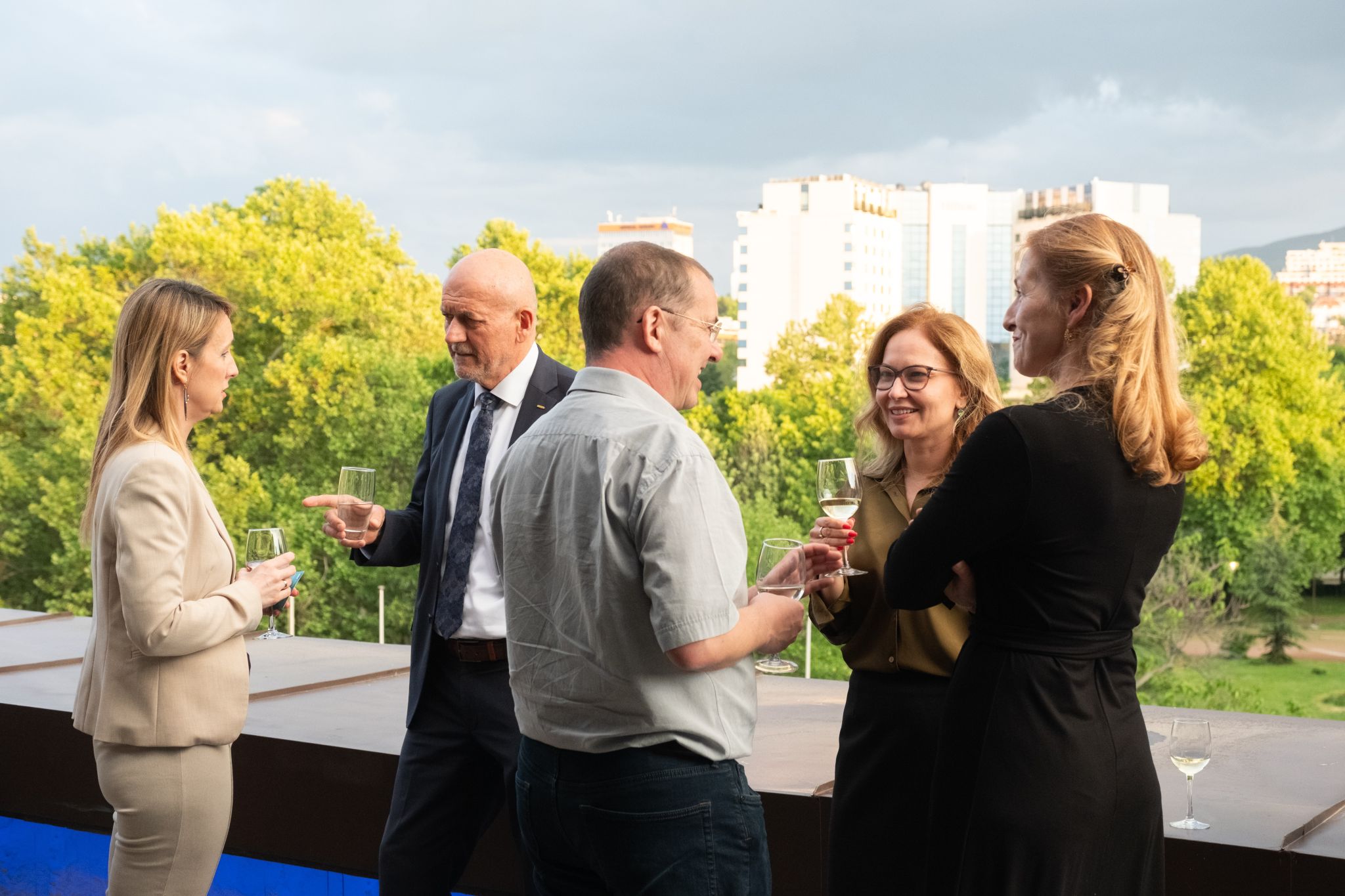

Dr Károly Kovács, founder of Pureco and President of the Hungarian Water Association (HWA) and the Hungarian Water Partnership (HWP), participated as a speaker at the 2026 Danube Water Forum, held in Sofia, Bulgaria, between 20 and 22 May.
Organised under the title “From Vision to Action: Building a Water-Resilient Danube Region”, the Forum explored what water resilience means in practical terms for water utilities across the Danube region.
The event brought together leading stakeholders from the regional water sector, including policymakers, utility operators, industry associations and technology providers, to address shared challenges related to water security, infrastructure sustainability and climate adaptation.
Key topics on the agenda included smart asset management, infrastructure development, operational efficiency, water loss reduction, data-driven utility management, water reuse, resource-efficient wastewater management, sludge treatment and circular approaches to wastewater treatment processes. The programme also highlighted the importance of workforce development, strong partnerships, effective leadership and collaboration in building a more resilient water utility sector.
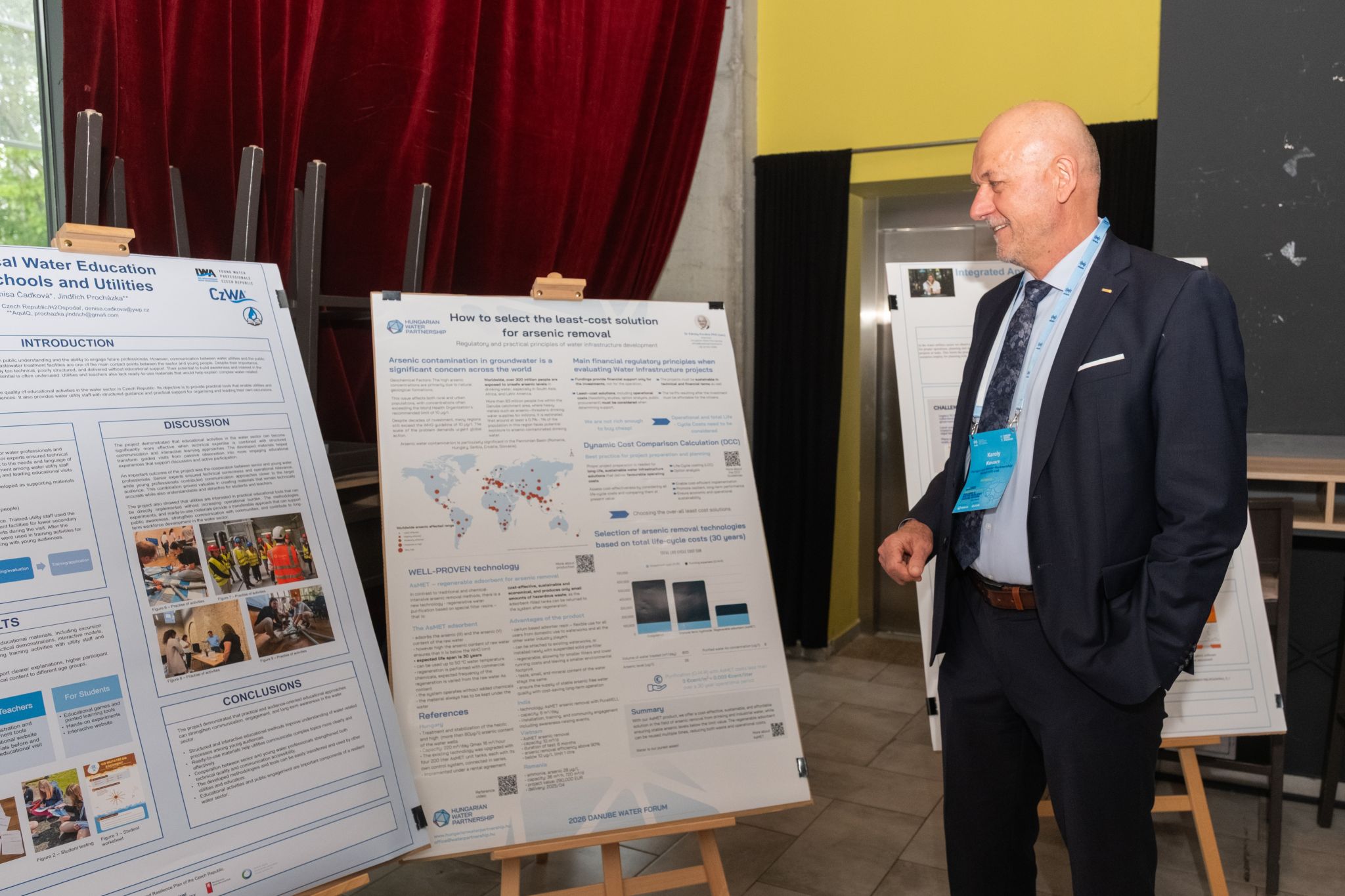
Representing the Hungarian Water Partnership, Dr Kovács contributed to the programme with two presentations. In his lecture entitled “Managing Sludge from a Country Perspective – The Case of Hungary”, he shared Hungarian experiences and best practices in wastewater sludge management. He also presented on cost-effective arsenic removal technologies in a session titled “How to Select the Least-Cost Solution for Arsenic Removal.”
The professional focus of the Danube Water Forum closely aligns with the mission of Pureco and HWP: developing and promoting sustainable, cost-efficient and locally adapted water solutions that contribute to safe drinking water supply, effective wastewater treatment and the long-term protection of water resources.
The financial and long-term sustainability challenges of the Hungarian water utility sector were also addressed during the conference. In his presentation and panel discussions, Dr Kovács highlighted key issues related to economies of scale in wastewater treatment and drinking water management, as well as the importance of life-cycle cost-based option analysis in the preparation of EU-funded projects. He emphasised that affordable yet cost-effective operation is one of the key conditions for the long-term sustainability of the water utility sector.
One of the most notable findings presented, based on a World Bank study and survey, concerned water tariffs in Hungary. According to the analysis, Hungary has the lowest average water tariffs in the region. Between 2014 and 2024, the share of water tariffs relative to average income decreased from around 1% to 0.7–0.8%. A similar decrease was observed only in Romania, where it was primarily explained by significant income growth.
Commenting on these findings, Dr Károly Kovács said:
“Hungary’s position at the lower end of the regional ranking is thought-provoking. It raises the question of whether such a low level of water tariffs can be sustained in the medium term, or even in the short term, particularly from the perspective of infrastructure maintenance, development and water resource management.”
The countries of the Danube region are closely interconnected from a water management perspective. Dialogue, knowledge exchange and cooperation with neighbouring countries therefore play a key role in strengthening regional water security. The Danube Water Forum provided an important platform for this cooperation, bringing together utilities, professional associations, decision-makers and technology providers across the region.
The discussions confirmed that there is growing demand throughout the Danube region, particularly in the Western Balkans, for practical, affordable and life-cycle cost-based water solutions. This creates significant opportunities for the Hungarian Water Partnership and its founding companies, including Pureco, to bring Hungarian expertise, technology and engineering know-how to international markets.
Pureco's participation in the Danube Water Forum represented not only a strong professional presence but also an important strategic opportunity. Through Dr. Kovács's active involvement in regional water sector dialogue, Hungary's position in the international market for sustainable water management solutions continues to strengthen.